Acquire
Optical, low-light, physiological, motion and environmental sensors collect heterogeneous signals.
 VAINER FUTUREBIOTECHNOLOGY ENGINEERING中文
SPECTRACORTEX AI · BY VAINER FUTURE
We are developing artificial perception: a wearable platform that brings physical and biological signals into a form people can use. Fleet Safety is our proposed first commercial application.
Prototype development Validation planned

THE SPECTRACORTEX PLATFORM
A proposed architecture connecting sensing, inference and human-usable output.
Optical, low light, physiological, motion and environmental inputs are synchronized into one evidence layer.
Optical, low-light, physiological, motion and environmental sensors collect heterogeneous signals.
Preprocessing, time alignment and spatial registration turn separate streams into comparable evidence.
AI derives latent features while preserving confidence, provenance and signal-quality information.
Multimodal inference builds unified or degraded-scene representations when data is incomplete.
Anomaly, relevance and operational risk determine which information deserves attention first.
Human-usable visual or multimodal output is controlled for clarity, urgency and cognitive load.
INDEPENDENT RESEARCH · SPECTRACORTEX 360
Independent studies show that people can learn spatial information delivered through touch or sound. These findings inform the design and planned testing of our 360° sensing and haptic belt.
These studies were conducted by other research teams. SpectraCortex 360’s integrated detection reliability, learning requirements and safety benefits remain to be established through testing.
Learning a compass signal
König et al. · 2016 · PLOS ONE
Open access · CC BY
After seven weeks of compass-to-touch belt use, a small study found neural and reported perceptual changes compatible with learning a new sensorimotor mapping.
Study scopeNine belt users and five controls; complex homing performance did not improve significantly.
Read free full textLearning with a wearable belt
Schmidt et al. · 2023 · Brain Sciences
Open access · CC BY 4.0
After six weeks of feelSpace belt training, the trained group showed better cardinal-direction and survey knowledge in virtual-reality tasks.
Study scopeControls lacked equivalent training; the belt’s effect cannot be isolated from training.
Read free full textBeyond the visual field
Shvadron et al. · 2023 · Frontiers in Human Neuroscience
Open access · CC BY
Vision360 combined frontal vision with sound encoding the surrounding 270°. Trained participants identified and located shapes, including some they had not practised.
Study scopeA controlled audiovisual study; real-world haptic hazard awareness was not tested.
Read free full textSensory substitution
Lee et al. · 2014 · Frontiers in Human Neuroscience
Open access · CC BY
After 15 hours of BrainPort training, 52 participants improved on several laboratory tests using visual information encoded as electrical stimulation on the tongue.
Study scopeTongue stimulation and laboratory tasks; this does not establish a waist-worn belt’s performance or safety.
Read free full textWarning pattern design
Meng et al. · 2015 · Human Factors
Open access · CC BY 3.0
In simulated driving, vibration sequences moving toward the torso produced faster braking responses than selected outward-moving or static cues.
Study scopeHands-plus-waist stimulation differs from our belt; real-road crash reduction was not established.
Read free full textSubstitution, addition, expansion
Eagleman & Perrotta · 2023 · Frontiers in Human Neuroscience
Open access · CC BY
This review examines how non-invasive haptic interfaces can convey substituted sensory information, additional environmental variables and signals beyond normal biological detection.
Study scopeA research synthesis and future framework; not an experimental validation of SpectraCortex.
Read free full textBenefits depend on the task and environment. In 12 blind participants, Bharadwaj et al. (2019) found that tactile belt guidance was slower and produced more major errors than spoken guidance in quiet. The completion-time gap diminished with simulated street noise. This motivates testing workload, environmental noise and cue design.
Read the comparison studyOUR NEXT TESTS
Evaluate sensor coverage and tactile interpretation separately, then test the integrated system. Measure direction error, response time, missed and false warnings, retention, transfer and performance under distraction, clothing and movement.
All linked papers are open access · Full-text links checked 4 November 2026 · Selected literature, not a systematic review
SPECTRACORTEX FLEET SAFETY AI
Predictive human–vehicle–road risk intelligence for commercial fleets—connecting changing driver physiology and behaviour with vehicle information, duty patterns and road conditions.
守护驾驶员,协同整支车队。以统一的风险研判层,连接驾驶员保护与车队管理两个闭环。
Architecture-to-prototype · Proposed functions · Fleet outcomes not yet validatedCompare changing driver state with an individual reference, evaluate contextual risk and confidence, and test concise haptic, audio or visual cues. Human-factors validation comes before operational use.
Present risk state, intervention priority, trip context, confidence and personal-baseline deviations so fleet operators can respond through existing procedures and record the outcome.
Evaluate useful warnings, workload, exposure-adjusted outcomes, risk clusters and operating value. Future insurance and safety reporting remain proposed extensions.
One confidence-aware intelligence layer supports both operational loops. Existing vehicle safety systems remain in place, and initial pilots do not directly control braking or steering.
Scoped paid integration and validation pilot → per-driver or per-vehicle enterprise software subscription → evidence-led renewal.
Intended partners include commercial-fleet, logistics and public-transport operators, plus safety-platform providers. Pricing, savings and conversion remain commercial hypotheses; no customer contract or validated revenue is implied.
Usable signal coverage · Calibration · False alerts per driver-hour · Warning lead time · Driver comprehension and burden · Added value over existing indicators.
Near-misses, cargo losses and downtime require exposure-adjusted evaluation. No crash-reduction percentage has been established.
EVIDENCE AND EXECUTION
We distinguish filed intellectual property, active prototype work and the next commercial validation gates.
A China-based company organized for applied research, intellectual property and industrial collaboration.
The PFA program explores multimodal plant observations, uncertainty and agricultural decision support.
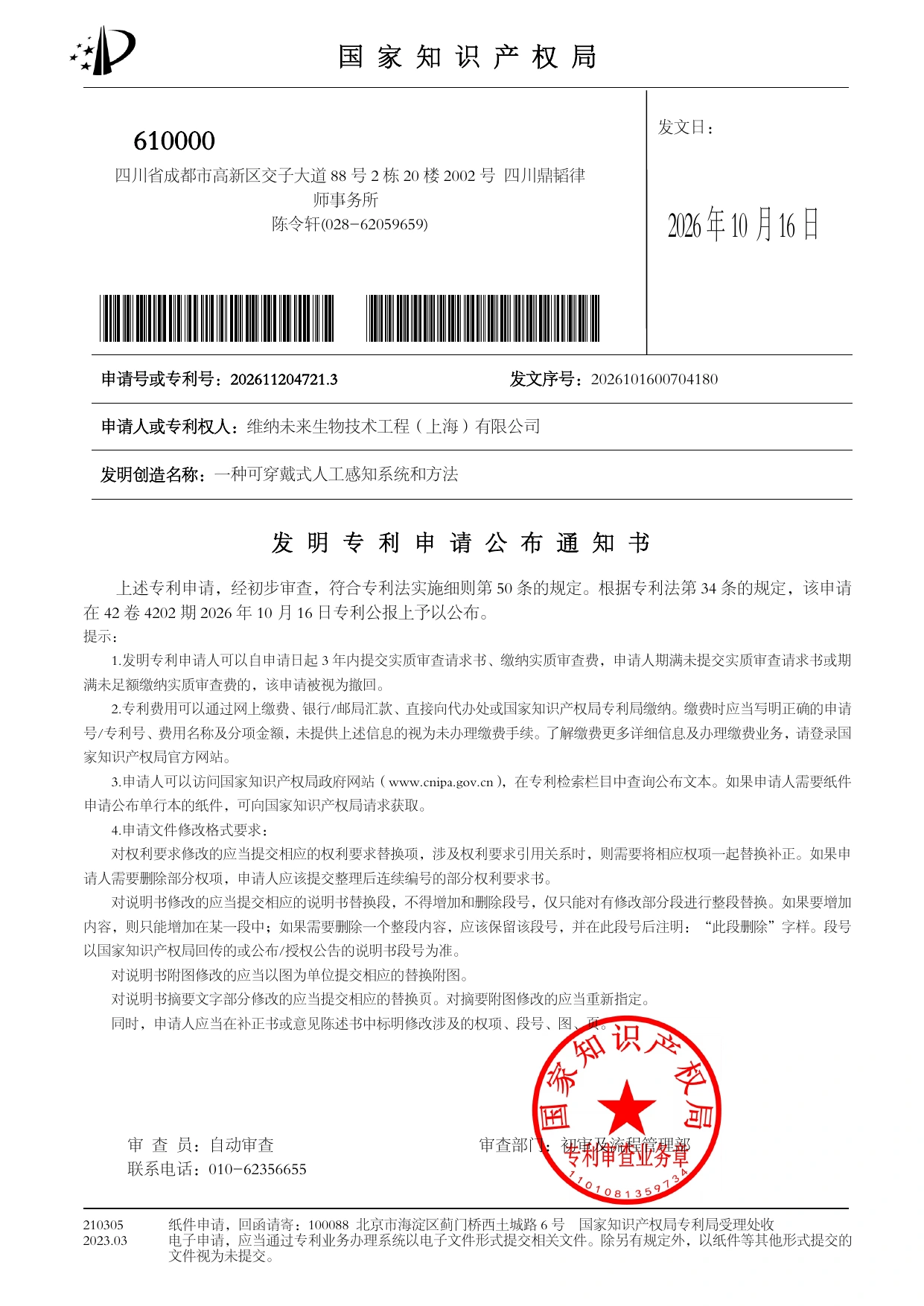
CNIPA notices document the current application status of SpectraCortex AI and PFA.
Fleet Safety is moving from architecture to an engineering prototype and staged prospective validation.
Deployment expands only after each technical and commercial gate is evidenced.
Hardware integration, usable signal coverage and system feasibility.
Signal quality, user burden and early warning behaviour.
Prospective evaluation, subject to agreed evidence gates. Participants are not yet recruited.
PFA RESEARCH PROGRAM · PFI FRAMEWORK
The PFA biological-intelligence program combines multimodal plant observations, uncertainty and decision context. PFI is proposed as a probabilistic belief about latent plant state rather than a fixed universal health score. A decision-specific scalar can be derived from that belief, allowing the framework to express uncertainty, handle missing observations, abstain when confidence is inadequate and participate in feedback control. Experimental validation remains necessary.
Read the plant intelligence evidence briefPLATFORM AND COMMERCIAL ENTRY
SpectraCortex AI is the parent perception platform. Fleet Safety is the proposed first commercial application.
A shared risk-intelligence layer designed to protect the driver and coordinate fleet response.
A wearable artificial-perception architecture that interprets heterogeneous signals and renders them in a form people can use.
A probabilistic framework for estimating latent plant state and producing decision-relevant outputs for monitoring and control.
INTELLECTUAL PROPERTY
Read the original CNIPA publication notices below. Each identifies the publication date and Patent Gazette issue. Both applications are under substantive examination.
 VIEW PUBLICATION NOTICE · PDF
Published · substantive examination
The original CNIPA notice identifies the application’s publication date and the relevant Patent Gazette issue.
Enter publication number CN122925900A in the official search.
Status is stated exactly. A filed or examined application is not a granted patent.
THE VISION IN FILM
Two concept films explore what artificial perception could make possible. These are future scenarios, not demonstrations of validated product performance.
CINEMATIC CONCEPT FILM · FULL HD
Exploring future artificial senses across emergency response, medicine, public safety, space exploration and engineering.
Captions included · Sound availableOpen video directly →
Concept visualization. Proposed capabilities require technical and clinical validation. Fleet Safety AI is the proposed first commercial application.
Exploring artificial sensory augmentation. Fleet Safety AI is our proposed first commercial application.
COMPANY NEWS · 公司动态
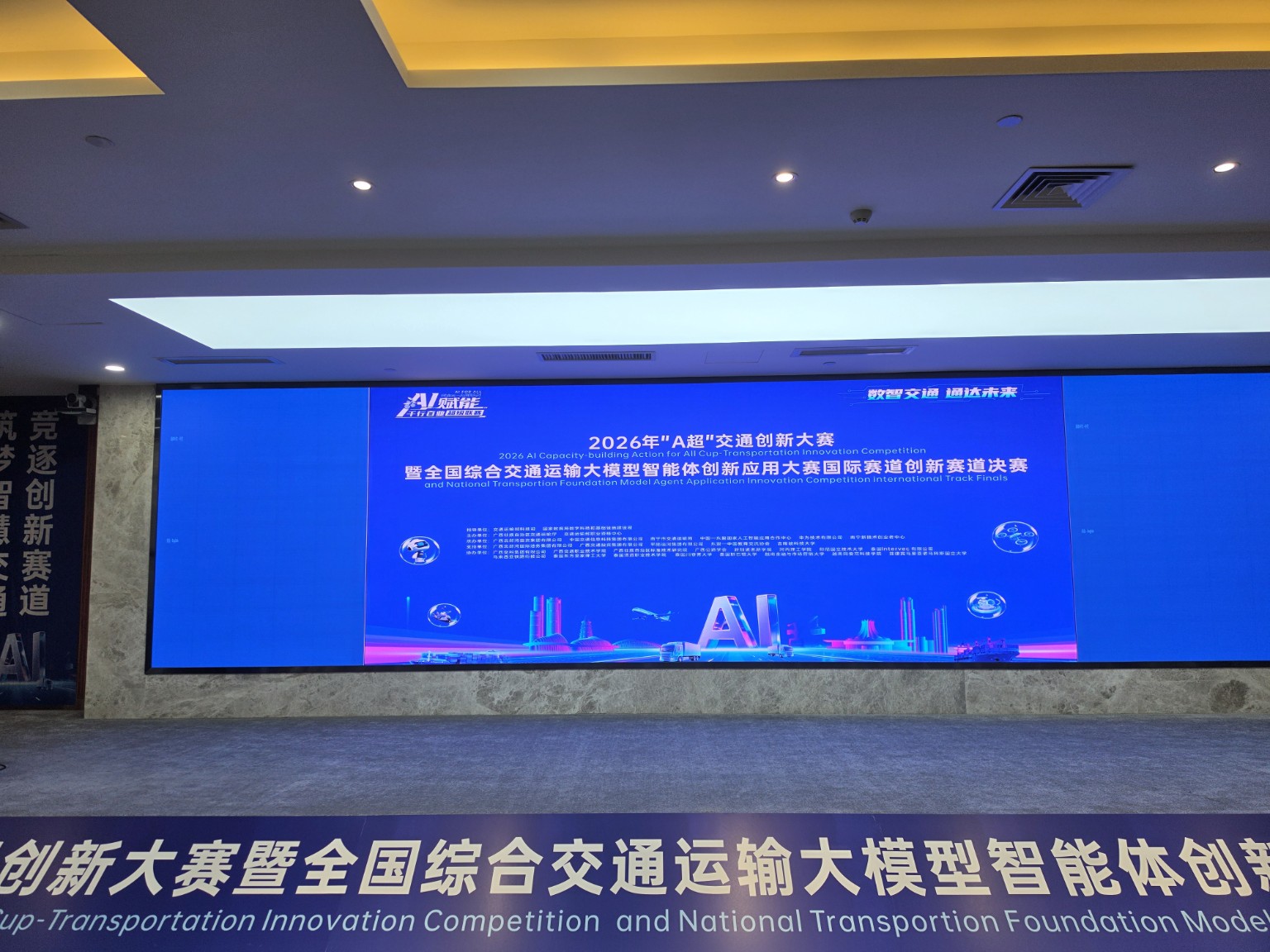
2026 “A超” · INTERNATIONAL TRACK FINALS
SpectraCortex在南宁国际赛道决赛获优胜奖
OFFICIAL RESULT · 获奖结果
SpectraCortex Fleet Safety AI — Driver Risk Prediction was listed in the Innovation Track’s Special Projects Group.
“SpectraCortex车队安全AI——驾驶员风险预测”获创新赛道特色项目组优胜奖。

Vainer Future Biotechnology Engineering (Shanghai) Co., Ltd. presented SpectraCortex Fleet Safety AI at the international-track finals of the 2026 “A超” Transportation Innovation Competition.
Drawing on his experience in emergency and intensive care medicine, founder Dr. David Vainer introduced our approach to a critical question: could changes in a driver’s condition help reveal danger earlier?
维纳未来生物技术工程(上海)有限公司在2026年“A超”交通创新大赛国际赛道决赛中,展示了SpectraCortex车队安全人工智能项目。创始人David Vainer博士结合急诊与重症医学经验,介绍了公司的研究方向:能否通过驾驶员状态的变化,更早识别潜在风险?

THE EVENT FILM · 活动纪实
南宁路演长版视频
11:11 · All three available stage recordings · Original recorded speech11分11秒 · 合并现有三段路演录像 · 现场原声
Nanning, 23 September 2026 · Full subtitles are not yet available.2026年9月23日,南宁 · 暂无完整字幕。
Download the 11:11 presentation · 下载路演长版视频We are seeking engineering, research and fleet partners to develop the prototype and evaluate individual physiological baselines, behavioural changes and road context in controlled studies.
我们期待与工程研发团队、科研机构及车队运营方合作,推进原型开发,并在受控研究中评估个体生理基线、行为变化及道路环境信息的应用价值。
Prototype development · Validation planned · 原型开发阶段 · 计划开展验证
MEDIA INTERVIEWS · 媒体采访
During the event, Dr. David Vainer spoke with television journalists about the company’s work and the next stage of development.
活动期间,David Vainer博士接受了电视媒体记者采访,介绍公司的研发工作与下一阶段的发展方向。
GUANGXI NEWS CHANNEL · 广西新闻频道
The channel’s short event report includes Dr. Vainer on camera discussing the project’s aim to help reduce collision risk. His interview begins near 0:35.
广西新闻频道的赛事报道采访了David Vainer博士,介绍项目降低碰撞风险的研发目标。采访片段约从0:35开始。
Download the 41-second clip · 下载视频片段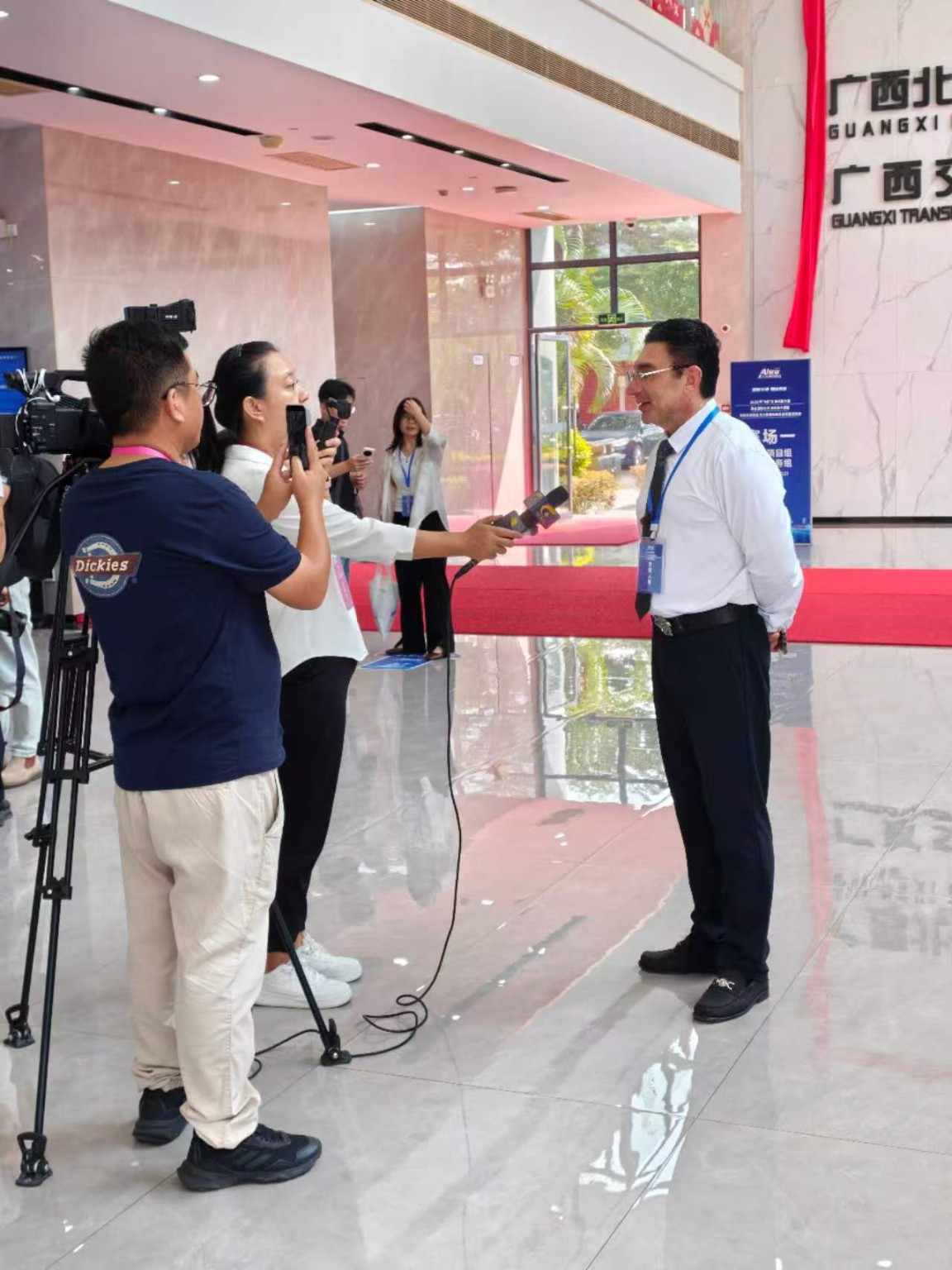
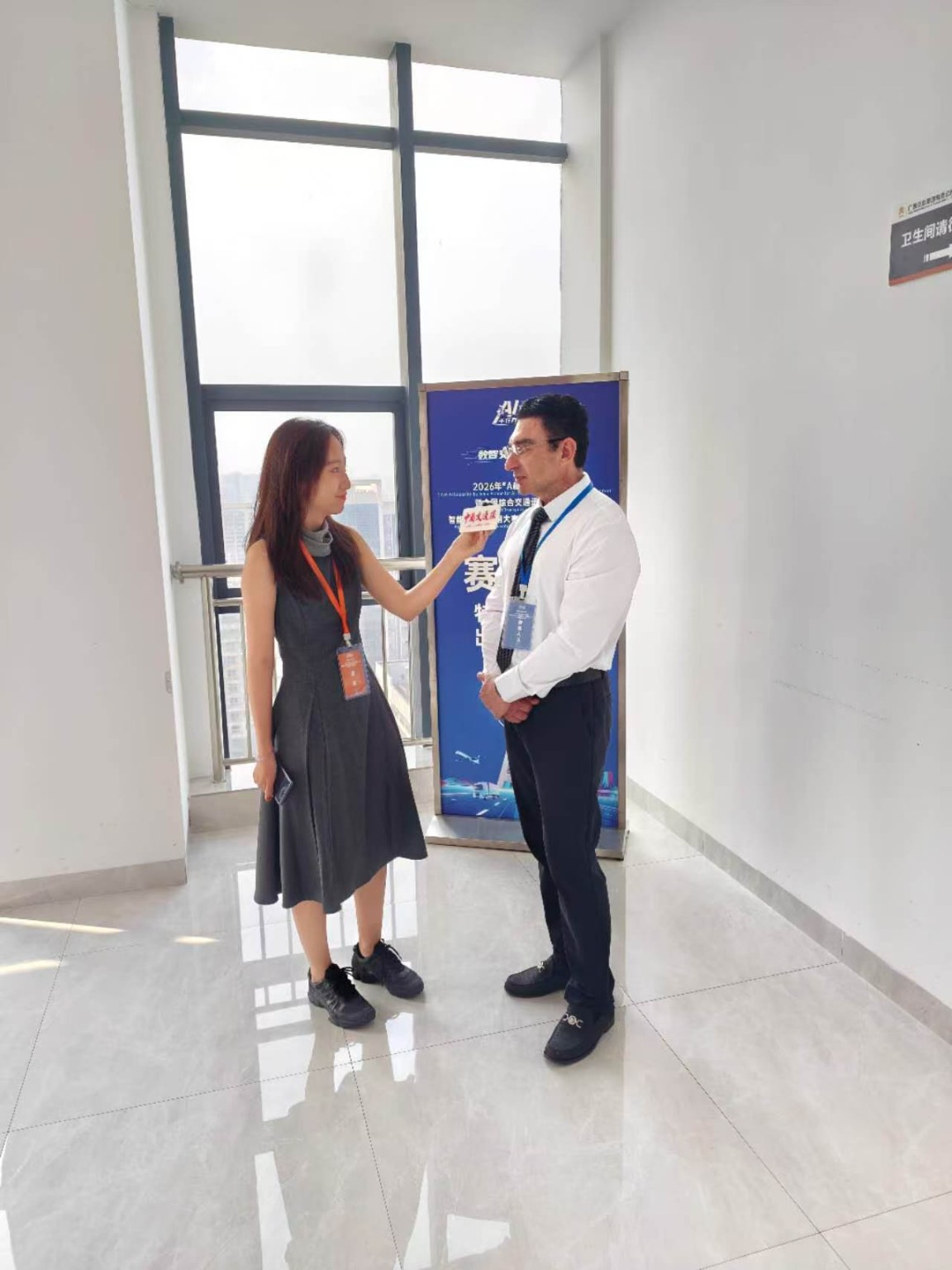
For broader coverage of the final, read the China.com.cn Guangxi event report. 赛事整体报道:中国网广西。
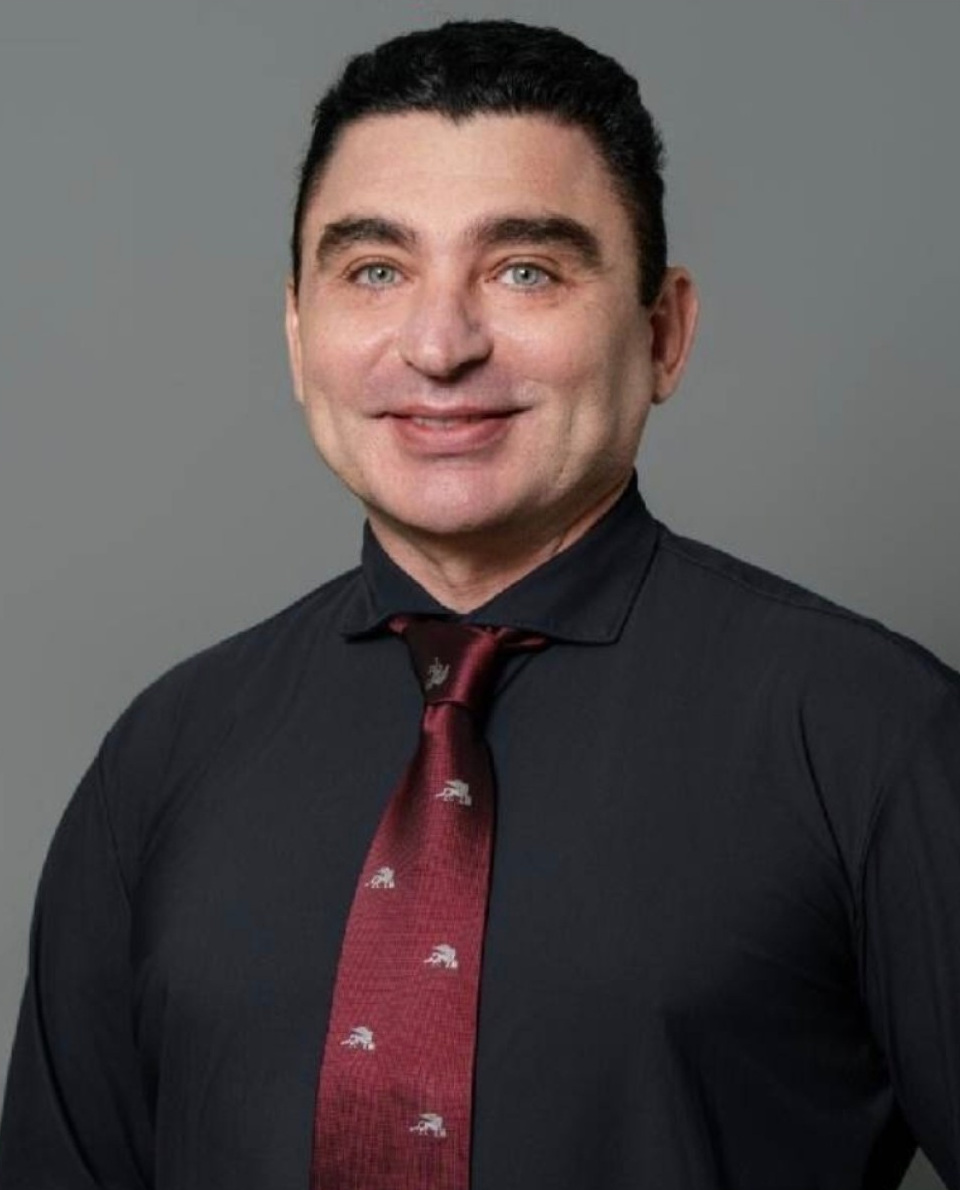
FOUNDER PROFILE
MD · PhD · DSc
A physician scientist, inventor and educator working where biology, artificial intelligence and human perception meet.
Clinical experience in emergency and intensive care medicine shaped a practical principle. Information matters only when it reaches the right person, in a useful form, before a critical decision.
PUBLIC TALKS
Chengdu, China · June 14, 2026
View the official TEDx event listing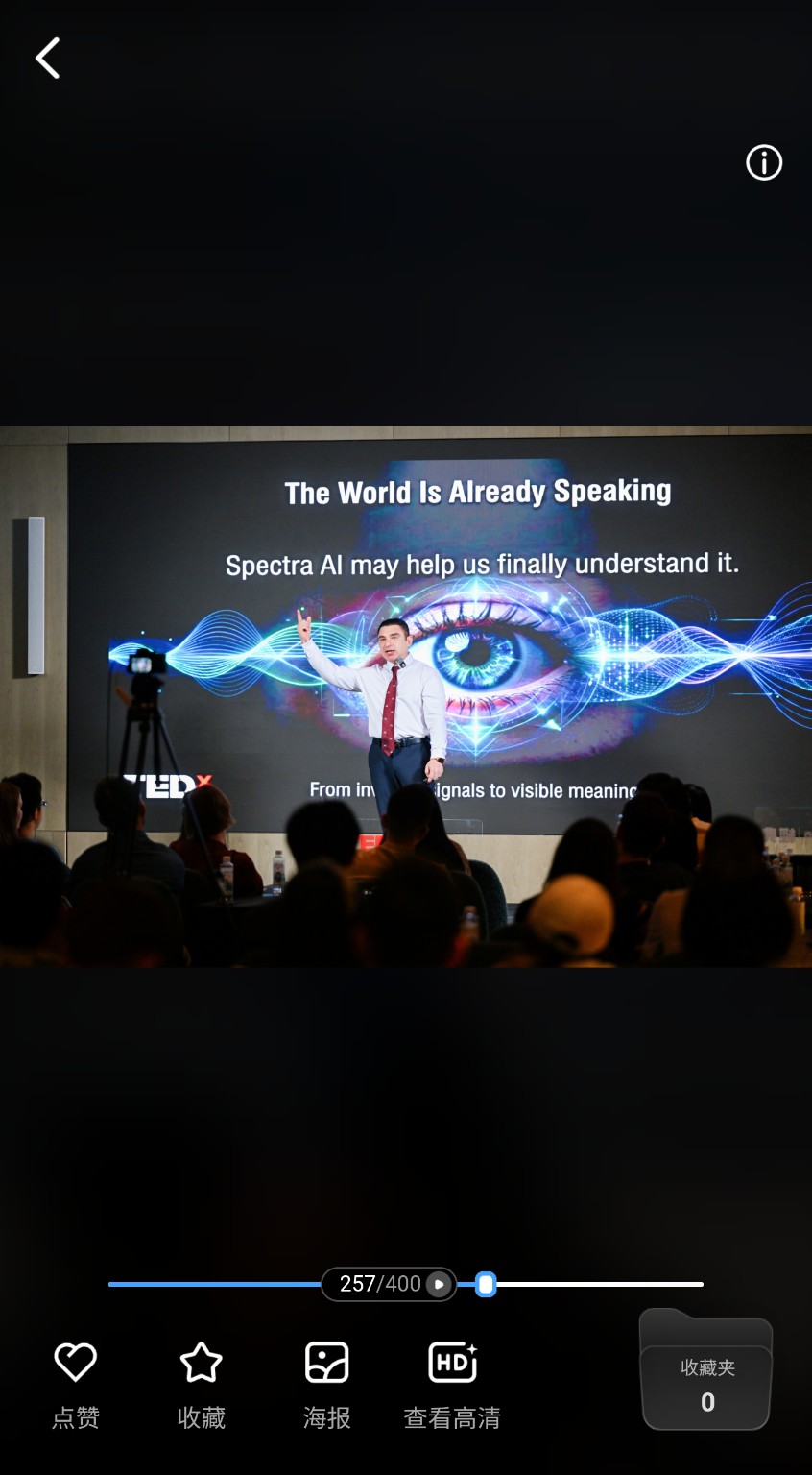
An introduction to translating invisible biological and environmental signals into visible, decision-relevant meaning.
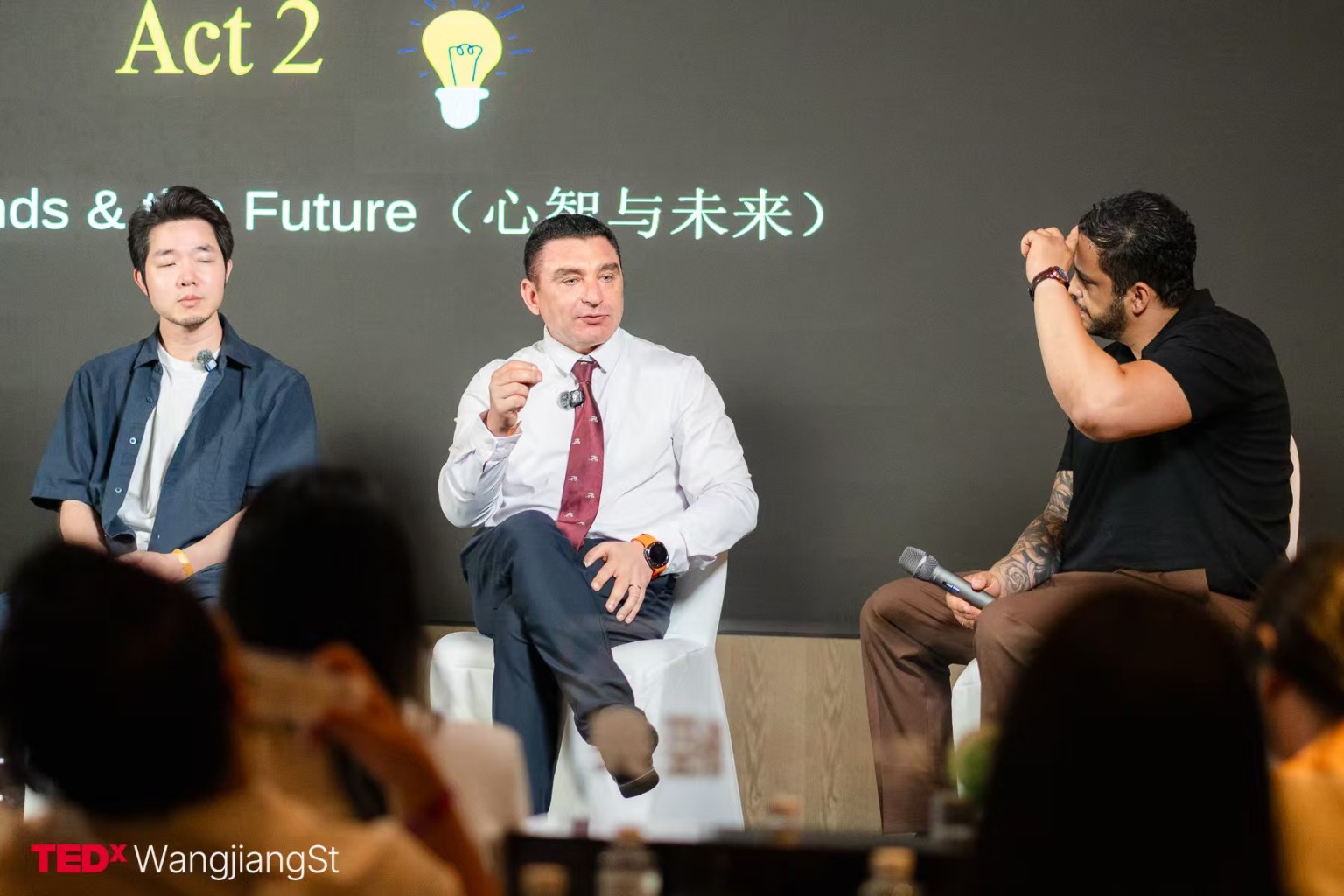
A discussion on perception, intelligence and how emerging technologies may expand human understanding.
TEDx events are independently organized under license from TED.
STRATEGIC INVESTMENT ROUND
Fleet Safety is seeking a strategic partner who can combine capital with field access, manufacturing discipline and commercial reach.